Healthcare supplements have pretty much become a staple in our daily routines. They’re like a extra boost for our health and overall well-being, you know? Lots of folks turn to these products to help fill in the gaps in their nutrition or to keep their energy levels up. But here’s the thing—it's really important to know what’s actually inside those supplements. Getting a good grasp on the Food Supplement Ingredients can make all the difference when you’re trying to make smarter choices.
The big deal about healthcare supplements is that they can help tame some of the dietary gaps many of us have. Let’s be honest, with modern diets sometimes lacking in key vitamins and minerals, it’s easy to miss out. That deficiency? It can lead to all sorts of health issues down the line. So, adding supplements into your routine might just give your health a little extra edge. But here’s the catch—you gotta know what’s really in them. Not all supplements are created equal, and some may contain fillers or ingredients that don’t do much good, or worse, might be misleading.
As we browse through the huge variety of healthcare supplements out there, staying informed is everything. Ask yourself—why am I choosing this product? Does it genuinely help, or am I just taking a shot in the dark? Thinking about these questions can really steer you toward better, healthier choices. Remember, understanding healthcare supplements isn’t just about swallowing pills—it's about taking control and empowering yourself with the right knowledge for a healthier life.

Definition and Overview of Healthcare Supplements
Healthcare supplements play a crucial role in maintaining overall wellness. They provide essential nutrients that may be lacking in our diets. With modern lifestyles often leading to nutritional gaps, supplements become a convenient solution.
These supplements can be vitamins, minerals, or herbal products. They support various bodily functions, from immune health to bone strength. Supplement Ingredientsvary widely, offering diverse benefits. However, not all supplements are created equal. Some may contain unwanted additives or allergens. It is vital to scRutinize labels and research before making a choice.
Experiencing the positive effects of supplements requires individual assessment. Some may find significant improvements, while others notice little change. This variability highlights the importance of consulting healthcare professionals. They can provide guidance tailored to personal needs. Understanding one's health status is key to making informed decisions.
Types of Healthcare Supplements and Their Functions
Healthcare supplements play a vital role in enhancing overall health. They come in various forms, each serving specific functions. Common types include vitamins, minerals, and Herbal Extracts. Studies indicate that nearly 77% of Americans take dietary supplements. This statistic highlights the growing reliance on supplements for health maintenance.
Vitamins, like Vitamin D, support immune function. Calcium supplements improve bone health, especially in the elderly. Herbal supplements like garlic extract can aid cardiovascular health. Recently, the Capsaicin Weight Loss Supplement has gained attention for its potential to boost metabolism. However, not all supplements are equally effective. Some may interact poorly with prescribed medications, emphasizing the need for informed choices.
Aging populations increasingly turn to supplements to combat health issues. Yet, the quality of these products can vary significantly. Research shows that around 30% of supplements do not contain the ingredients listed on the label. This discrepancy raises questions about reliability. It's essential to choose supplements from reputable sources. Seeking guidance from healthcare professionals ensures better outcomes.
The Role of Healthcare Supplements in Preventive Health
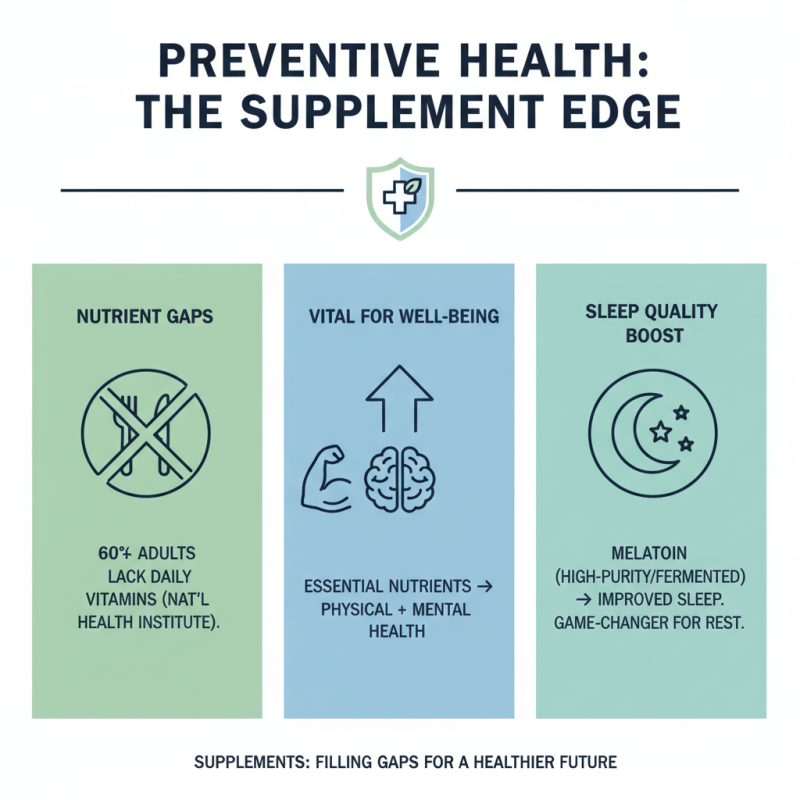
Healthcare supplements play a crucial role in preventive health. They provide essential nutrients that often fall short in our daily diets. Research published by the National Health Institute highlights that over 60% of adults do not meet their daily vitamin requirements. Supplements like high purity melatonin or fermented melatonin can significantly improve sleep quality. Good sleep is vital for physical health and mental well-being, and incorporating sleep supplement ingredients can be a game-changer.
When considering supplements, it's important to recognize the varying levels of efficacy between different products. For example, 99% melatonin raw material is often marketed for its effectiveness but may not be necessary for everyone. Personal health goals and specific needs should guide your supplement choices. Regular consultations with healthcare professionals are recommended to ensure that supplementation does not lead to unforeseen issues.
Tip: Always choose supplements from reputable melatonin manufacturers or suppliers. A low-quality product can do more harm than good. Pay attention to labels and ingredient sources. Quality matters, especially for products like bulk melatonin powder, as purity can impact results. Keep track of how your body responds to various supplements, and adjust accordingly. Your health journey is unique.
Regulatory Standards and Safety of Healthcare Supplements
Healthcare supplements play a vital role in enhancing overall well-being. However, their safety and efficacy are often clouded by regulatory complexities. The World Health Organization (WHO) emphasizes the need for stringent regulatory measures. Proper regulations ensure that these products meet safety standards and contain what they claim. Without oversight, consumers may face risks from unverified claims.
In the United States, the Dietary Supplement Health and Education Act (DSHEA) sets guidelines for these products. Yet, a report from the National Institutes of Health (NIH) reveals that nearly 70% of supplements do not undergo pre-market review. This leaves consumers vulnerable to potentially harmful ingredients. It raises concerns about the reliability of labels and the authenticity of health claims made by manufacturers.
Countries like Australia have more rigorous standards. The Therapeutic Goods Administration (TGA) mandates thorough evaluations before a supplement reaches the market. This contrasts with some regions where regulations are less stringent. Consumers should be aware of these discrepancies. By doing so, they can make better-informed decisions regarding their health.
What is Healthcare Supplement and Why is it Essential? - Regulatory Standards and Safety of Healthcare Supplements
| Dimension | Description | Importance | Regulatory Standards |
| Quality | Ensures that the supplements contain the right ingredients in the right amounts | High-quality supplements can support health claims | FDA regulations, GMP (Good Manufacturing Practices) |
| Safety | Reduces the risk of harmful effects and interactions with medications | Critical for maintaining consumer trust and public health | Health Canada, EFSA (European Food Safety Authority) |
| Labeling | Provides essential information about ingredients, usage, and storage | Informs consumers, helping them to make informed choices | FDA labeling requirements, claims substantiation |
| Efficacy | Determines the actual benefits of the supplements | Validates health claims, enhances marketability | Clinical trials, peer-reviewed studies |
Benefits and Potential Risks Associated with Healthcare Supplements
Healthcare supplements have become an integral part of many people's wellness routines. According to the Council for Responsible Nutrition, about 77% of U.S. adults take dietary supplements regularly. These can include vitamins, minerals, and herbal products that claim to support overall health. While many people benefit from these supplements, it is crucial to understand both the advantages and potential risks.
One significant benefit of healthcare supplements is their ability to fill nutritional gaps. Many individuals do not meet their daily requirements for vitamins due to dietary restrictions or lifestyle choices. For instance, calcium and vitamin D are essential for bone health but are often lacking in certain diets. However, reliance on these supplements can lead to complacency regarding food choices. Some people may neglect to consume a balanced diet, assuming that supplements will suffice.
On the flip side, misuse of supplements can pose serious health risks. Overconsumption of vitamins like A and D can lead to toxicity. The National Institutes of Health reported that excessive intake can result in nausea, headaches, or even more severe conditions. Furthermore, the lack of regulation around supplements means that some products may not contain what they claim. Consumers must remain vigilant and consult healthcare professionals before beginning any supplement regimen to avoid unintended consequences. Awareness and education are key to safely navigating the world of healthcare supplements.
Guidelines for Choosing the Right Healthcare Supplement
Choosing the right healthcare supplement can be daunting. Many options are available, but not all are suitable for everyone. Start by assessing your specific health needs. Do you need extra vitamins, minerals, or other nutrients? This initial step can help narrow your choices significantly.
Next, consider the quality of the supplements. Look for third-party testing and certifications. These can provide some assurance of safety and efficacy. It's also wise to consult a healthcare professional. They can offer guidance based on your health history. Sometimes, a recommendation from them can make a difference in your choice.
Be aware of potential side effects and interactions with medications. Not every supplement is appropriate for every individual. Always read labels carefully. Ingredients should be transparent and understandable. Reflect on what your body truly needs rather than getting swayed by marketing claims. A thoughtful approach can lead to better health outcomes.
Future Trends in the Healthcare Supplement Industry
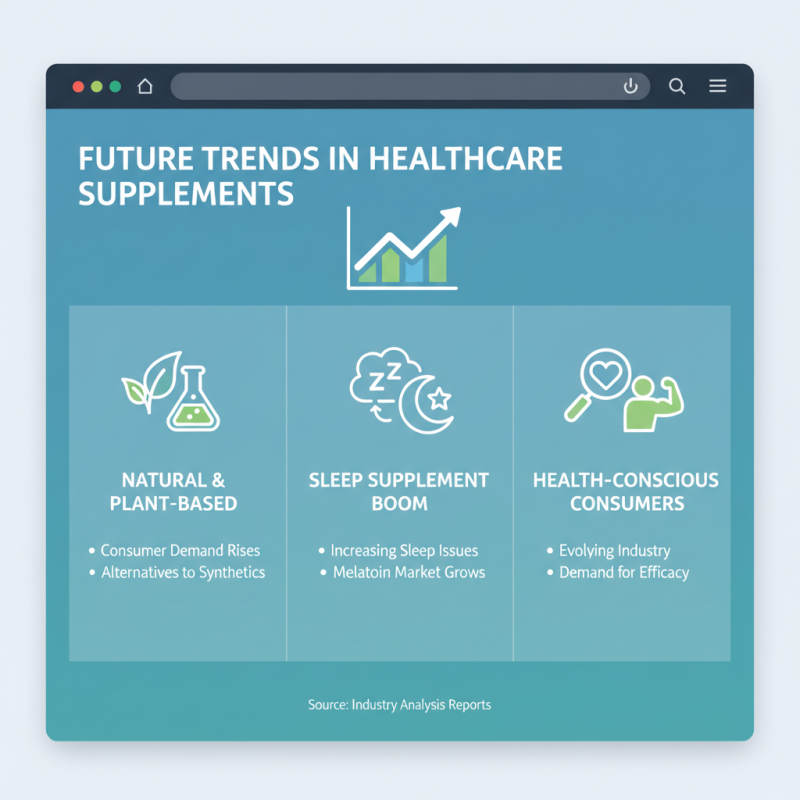
The healthcare supplement industry is evolving rapidly. As consumers become more health-conscious, the demand for effective supplements is increasing. Trends indicate a shift towards natural and plant-based ingredients. More people are seeking alternatives to synthetic compounds. This is leading to a boom in the market for sleep supplement ingredients. Melatonin manufacturers are responding to the rise in sleep-related issues.
Advancements in technology are also shaping the industry. Personalized nutrition is on the rise. Consumers want supplements tailored to their specific needs. This trend encourages manufacturers to innovate and research new formulations. Collaboration among nutritionists and healthcare experts is essential in this process. It ensures that products are safe and effective for various demographics.
However, challenges remain. Not all supplements on the market are backed by science. Quality and transparency are critical issues. Consumers must be cautious and informed when choosing products. The industry must prioritize educating its audience. There is a growing need for reliable information and research to support product effectiveness. Only then can the healthcare supplement industry truly thrive and meet consumer demands.
Unlocking the Benefits of Pure L-Dopa Powder: Optimal Usage, Dosage, and Health Insights
Unlocking the Benefits of Pure L-Dopa Powder: Optimal Usage, Dosage, and Health Insights
L-Dopa, or levodopa, is a precursor to dopamine that plays an essential role in neurological health. A popular supplement derived from the Mucuna pruriens plant, L-Dopa is recognized for its potential benefits in enhancing mood, improving cognitive function, and managing symptoms related to neurological conditions such as Parkinson's disease. Clinical studies indicate that L-Dopa supplementation can lead to increased dopamine levels, which are crucial for optimal cognitive function and emotional regulation. Utilizing L-Dopa powder, particularly in its pure form, ensures that users receive direct benefits with minimal additives, aligning with the growing consumer preference for natural health solutions.
When considering optimal usage and dosage, it is important to refer to established guidelines that highlight the effectiveness of L-Dopa. Typical dosages range from 250 mg to 500 mg per day, depending on individual requirements and health considerations. The method of delivery, such as in powdered form, allows for flexible dosing and easier incorporation into various dietary regimens. A study published in the "Journal of Neuroscience" noted that increased plasma levels of L-Dopa from dietary sources improve its bioavailability, thus maximizing its potential therapeutic effects. This underlines the advantage of using a high-quality L-Dopa powder, which offers a concentrated form that can be precisely measured to meet one’s health goals.
In addition to its neurological benefits, L-Dopa powder is produced under strict quality control measures to ensure safety and efficacy. Certifying agencies, such as GMP and ISO, guarantee that the product maintains high standards of production, which include using non-GMO ingredients and conducting thorough testing. With a shelf life of two years, this supplement is not only reliable but also accessible, allowing health-conscious individuals to easily integrate this powerful compound into their wellness routines.
FAQS
: Healthcare supplements provide essential nutrients often missing from daily diets.
They help meet dietary deficiencies and can improve overall well-being.
Melatonin supplements can significantly enhance sleep quality, benefiting physical and mental health.
No, efficacy varies among products. Personal health needs should guide choices.
Assess your health needs first. This helps narrow down your options.
Check for third-party testing and certifications. Transparency in labeling is crucial.
Yes, not all supplements suit everyone. Consult a healthcare professional for advice.
Approach claims thoughtfully. Reflect on actual health needs instead.
Monitor how your body responds and adjust your intake as needed.
Yes, low-quality products can be harmful. Always choose reputable brands for safety.
Conclusion
Healthcare supplements are products designed to enhance overall health and well-being, providing additional nutrients that may be missing from a person's diet. They come in various forms, including vitamins, minerals, herbs, and amino acids, each serving specific functions that can support bodily functions and improve health outcomes. The increasing interest in preventive health has highlighted the role of these supplements in potentially reducing disease risk and promoting better health.
However, it's essential to be aware of the regulatory standards that govern healthcare supplements to ensure their safety and efficacy. While they offer numerous benefits, there are also potential risks involved, making it crucial for consumers to choose the right supplements wisely. By understanding the guidelines for selection and staying informed about future trends in the healthcare supplement industry, individuals can make informed decisions to enhance their health effectively.